Avoiding Outsourcing Pitfalls in Photo Editing
By Imagick Editorial Team · Published
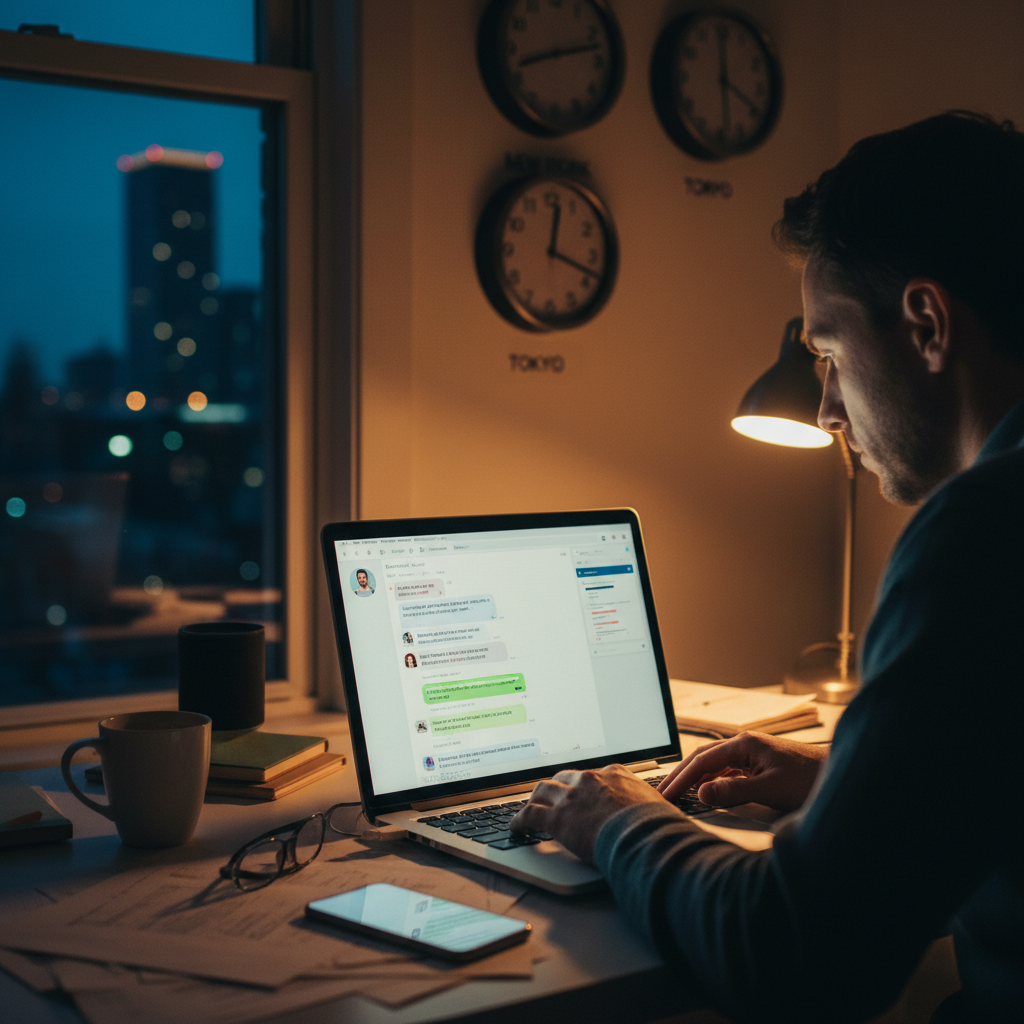
The Allure and Potential Pitfalls of Outsourcing Photo Editing
Professional photographers frequently face substantial post-production workloads, especially after high-volume events like weddings, corporate functions, or extensive portrait sessions. The sheer volume of RAW files can lead to long hours spent on culling, color correction, and stylistic adjustments. In response to this demand, many photographers consider outsourcing photo editing as a strategy to reclaim time and streamline their workflow. The promise of delegating repetitive tasks to external services, often at a lower cost, can be highly appealing.
However, traditional outsourcing of photo editing is not without its complexities. While it can alleviate some immediate pressure, it often introduces a new set of challenges that can impact a photographer's brand consistency, client satisfaction, and overall business efficiency. Understanding these potential pitfalls is crucial for making informed decisions about post-production strategies.
Common Challenges with Traditional Photo Editing Outsourcing
Delegating photo editing to an external service, particularly one operating across different time zones or cultural contexts, can present several significant hurdles:
Inconsistent Style and Quality
One of the primary concerns is the potential for inconsistency in editing style and quality across a single gallery or multiple projects. A photographer's unique visual signature—their specific approach to color, contrast, tone, and mood—is a cornerstone of their brand. When multiple editors, or even a single editor with varying interpretations, handle a project, the final output may lack the cohesive aesthetic expected by clients. This can manifest as variations in skin tones, color grading, or overall mood from one image to the next, diminishing the perceived professionalism of the work.
Communication Barriers and Revisions
Effective communication is paramount in any collaborative process. With outsourced editing, differences in language, time zones, and cultural nuances can lead to misunderstandings regarding specific editing instructions or stylistic preferences. Photographers may spend considerable time creating detailed guides, presets, and video tutorials to convey their vision. Despite these efforts, the iterative process of sending revisions, waiting for corrections, and conducting quality control checks can negate initial time savings. The cumulative effort of managing an outsourced workflow, including extensive feedback loops, can sometimes exceed the time it would have taken to perform the basic edits internally.
Hidden Costs and Brand Dilution
The initial cost savings associated with outsourced editing can be deceptive. The time spent on detailed instruction, quality assurance, and subsequent re-edits represents an unquantified cost. Furthermore, if the final product consistently deviates from the photographer's brand aesthetic, it can lead to client dissatisfaction, negative reviews, and a dilution of the photographer's artistic identity in the market. Protecting one's brand integrity is a long-term investment that can be jeopardized by inconsistent external editing.
Evaluating Outsourcing: When It Might (and Might Not) Work
Deciding whether to outsource photo editing requires a careful assessment of the project type, desired outcome, and available resources. Not all editing tasks carry the same level of artistic interpretation or brand risk.
Suitable Scenarios for Outsourcing
* Culling: Delegating the initial selection of usable images from a large batch can be an efficient time-saver, as it is a largely objective task. However, clear criteria for selection must be provided.
* Basic Global Adjustments: For less critical shoots or high-volume projects where a highly specific artistic style is not the primary focus (e.g., corporate headshots, real estate photography), outsourcing basic adjustments like exposure, white balance, and cropping might be considered. Even in these cases, a robust AI photo editing workflow can offer a more consistent and controlled approach.
Scenarios Where Caution is Advised
* High-Stakes Events: For emotionally charged events like weddings, where every image contributes to a narrative and reflects the photographer's unique artistic vision, outsourcing carries significant risk. The nuanced adjustments that define a photographer's style are difficult to replicate consistently by an external party.
* Artistic Interpretation: Any project requiring significant creative input, complex retouching, or a highly specific stylistic grade is generally best handled by the photographer or a trusted in-house editor who deeply understands the brand's aesthetic. The value proposition of a professional photographer often lies in their unique artistic perspective, which is challenging to outsource without compromise.
Maintaining Brand Consistency and Quality Control
Regardless of the editing strategy, maintaining consistent quality and brand alignment is paramount. For photographers utilizing tools like Adobe Lightroom, developing a comprehensive system is essential.
Develop a Comprehensive Style Guide
Create a detailed style guide that outlines specific preferences for color grading, skin tones, contrast, sharpness, and any other stylistic elements. This guide should include reference images, preset applications, and specific instructions for different lighting conditions (e.g., indoor, outdoor, flash). This serves as a foundational document for any editor, internal or external.
Utilize Presets and Profiles Strategically
While presets can provide a consistent starting point, they are rarely a complete solution. They often require manual adjustments to account for variations in lighting, camera settings, and subject matter. For a deeper dive into this, consider resources like Lightroom Presets: The 10% Solution. Consistent application of base adjustments, followed by precise manual refinements, is key to achieving a polished look.
Implement Rigorous Quality Checks
Establish a multi-stage quality control process. This includes reviewing initial edits for adherence to the style guide, checking for consistency across the entire gallery, and performing final pixel-peeping for any anomalies. This step is non-negotiable, whether edits are performed in-house or externally. The ultimate responsibility for the final product rests with the photographer.
Integrating AI into the Editing Workflow
Artificial intelligence (AI) offers a compelling alternative or complement to traditional outsourcing, particularly for handling the foundational, repetitive aspects of photo editing. AI-powered tools can process large volumes of images with remarkable consistency, applying base adjustments and color corrections according to a defined style.
AI systems can learn a photographer's specific editing style from a set of reference images and then apply those characteristics across an entire gallery. This approach addresses the consistency challenges often encountered with human outsourcing, as the AI algorithm applies the same logic to every image. This can significantly reduce the time spent on initial edits, allowing photographers to focus their creative energy on the final, artistic refinements that truly define their work.
For example, platforms like Imagick can automate tasks such as white balance correction, exposure adjustments, and color grading, delivering a consistent baseline edit. This frees photographers to concentrate on culling, creative cropping, retouching, and other nuanced adjustments that require human artistic judgment. The efficiency gained can be substantial, allowing photographers to deliver high-quality work more quickly, balancing Photo Quality vs. Speed: Why You Need Both.
While AI excels at consistency and speed for base edits, it is not a replacement for human creativity and fine-tuned artistic vision. The most effective approach often involves leveraging AI for the initial, repetitive tasks and then having the photographer apply their unique artistic touch to the AI-generated base edits. This hybrid approach allows photographers to maintain full control over their brand's aesthetic while benefiting from automated efficiency. For a comparison of these approaches, explore resources like AI vs Traditional Photo Editing: My Two-Year Journey.
A Practical Checklist for Photo Editing Strategies
When evaluating your photo editing workflow, consider the following:
* Define Your Brand Style: Clearly articulate your unique aesthetic in a comprehensive style guide.
* Assess Project Needs: Determine the level of artistic interpretation required for each project.
* Evaluate Outsourcing Providers: If considering outsourcing, thoroughly vet providers for consistency, communication, and quality control processes.
* Leverage AI for Base Edits: Explore AI tools for consistent, automated initial adjustments to save time and ensure uniformity.
* Prioritize Quality Control: Implement rigorous review stages for all edited images, regardless of the editing method.
* Maintain Creative Control: Reserve final artistic refinements for yourself to ensure brand integrity.
* Consider Hybrid Workflows: Combine AI efficiency with human artistic input for optimal results.
Continue building a reliable editing workflow
Review the Imagick AI workflow, compare options in the AI editing comparison, and check current pricing. For broader professional education, visit Professional Photographers of America.