Sports Photography Editing Workflow: Professional Efficiency
By Imagick Editorial Team · Published
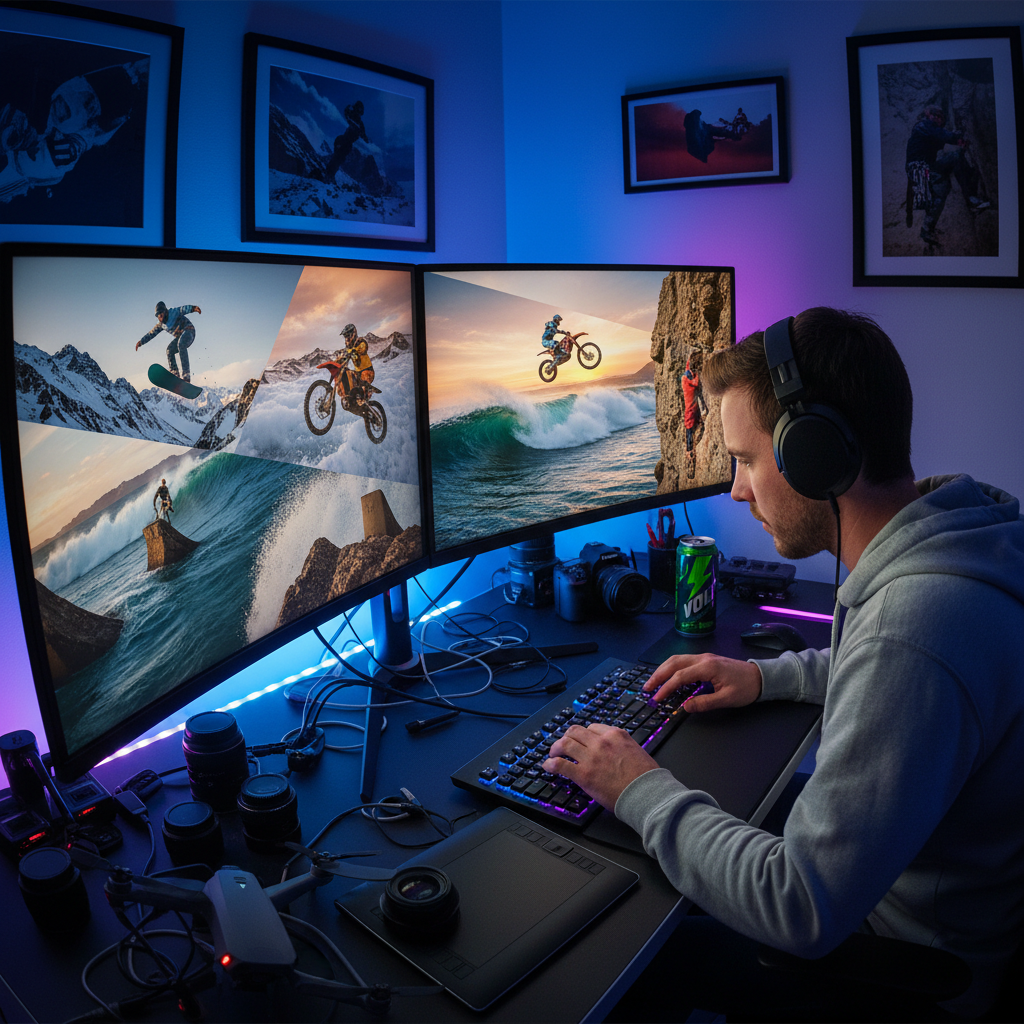
The Demands of Sports Photography Post-Production
Sports photography often involves capturing thousands of images in dynamic, fast-paced environments. From a single game or tournament, photographers can accumulate a substantial volume of RAW files, each requiring careful review and processing. The challenge lies in maintaining high quality and consistency across a large gallery while adhering to tight delivery deadlines. Without an optimized workflow, the post-production phase can become a significant bottleneck, consuming excessive time and resources.
Key characteristics of sports photography post-production include:
* High Volume: Capturing peak action often necessitates continuous shooting, leading to numerous frames per event.
* Varied Conditions: Lighting can range from bright daylight to mixed indoor stadium lights, requiring precise white balance and exposure adjustments.
* Rapid Turnaround: Clients, whether media outlets, teams, or parents, frequently expect quick delivery of edited images.
* Action-Oriented Content: Images must convey energy and emotion, demanding effective cropping, sharpening, and color grading to highlight key moments.
Establishing a Foundational Workflow for Efficiency
An effective workflow begins long before editing software is opened. It starts with disciplined capture and a structured approach to image management.
Ingestion and Initial Culling
Upon completing a shoot, the first step is to ingest all images into a robust cataloging system, such as Adobe Lightroom or Capture One. This process should include creating backups immediately. The next critical phase is culling—the rapid selection of usable images and the decisive deletion of unusable ones. This requires a systematic approach:
1. First Pass (Rapid Deletion): Quickly review all images, deleting obvious duds: out-of-focus shots, misfires, duplicate frames with no discernible difference, or shots where the subject is obscured.
2. Second Pass (Selection): Mark potential keepers based on sharpness, composition, peak action, and emotional impact. Utilize keyboard shortcuts and rating systems (e.g., stars, flags) to expedite this process.
3. Third Pass (Refinement): Review selected images more closely, ensuring they meet quality standards and tell the story of the event. Be judicious; not every technically acceptable image needs to be delivered.
This rigorous culling process is fundamental to reducing the overall editing load. For more detailed strategies on accelerating this phase, refer to our guide on Sports Photography: Rapid Post-Production Workflow.
Batch Processing Principles
Once a selection of images is made, apply global adjustments to groups of photos taken under similar conditions. This is a cornerstone of efficient high-volume editing. For example, if a sequence of 50 shots was taken with consistent lighting, apply a single white balance, exposure, and color profile adjustment to all of them. Adjustments can then be fine-tuned on individual images as needed. This approach significantly reduces repetitive tasks and promotes consistency across the gallery.
Leveraging AI for Enhanced Efficiency
Artificial intelligence (AI) tools are increasingly integrated into photography workflows, offering solutions for automating repetitive and time-consuming tasks. For sports photographers, AI can provide a substantial advantage in managing large volumes of images.
AI-powered editing platforms, such as Imagick.ai, can perform initial adjustments like exposure correction, white balance, and color grading across an entire batch of images. These systems analyze image data to apply corrections that aim for a neutral, consistent baseline. This automation allows photographers to bypass the initial manual adjustment phase for hundreds or thousands of photos, freeing up time for more creative and critical refinements.
When integrating AI into a workflow, it is important to understand its role as an assistant, not a replacement for human judgment. AI can establish a strong foundation, but the photographer's expertise remains essential for:
* Creative Vision: Applying specific stylistic choices or artistic interpretations.
* Contextual Understanding: Recognizing nuances that AI might miss, such as specific team colors or branding.
* Quality Control: Reviewing AI-generated adjustments to ensure they align with professional standards and client expectations.
For a comprehensive understanding of how AI fits into modern post-production, explore an AI photo editing workflow. Professionals should also consider the broader implications of AI use, consulting resources like the NIST AI Risk Management Framework for guidance on responsible and ethical deployment of AI technologies.
Refinement and Quality Control
After initial batch processing or AI-assisted adjustments, the focus shifts to individual image refinement and rigorous quality control. This stage is where the photographer's artistic eye and technical skill are paramount.
Targeted Adjustments
Review each image for specific needs:
* Cropping: Optimize composition to emphasize the subject and enhance impact.
* Sharpening: Apply selective sharpening, often focusing on the subject's eyes or key details, while avoiding over-sharpening.
* Localized Corrections: Use brushes or gradients to adjust specific areas, such as brightening a face, recovering highlights in a jersey, or subtly darkening distracting backgrounds.
* Spot Healing/Cloning: Remove minor distractions like stray debris or lens dust. For high-volume sports, this should be limited to critical images.
Consistency and Delivery
Ensure a consistent look and feel across the entire gallery. This includes color fidelity, exposure, and overall tone. Before delivery, perform a final quality check on all images. This can involve viewing them at 100% zoom, checking for artifacts, and verifying file names and metadata. For strategies on rapid delivery, consider insights from Optimizing Event Photo Editing for Rapid Delivery.
Practical Checklist for an Optimized Workflow
To streamline your sports photography editing process, consider this practical checklist:
* Pre-Shoot Preparation: Calibrate monitors, ensure camera settings are optimized for the environment.
* Rapid Ingestion: Use fast card readers and reliable storage solutions.
* Aggressive Culling: Delete unusable images immediately; prioritize keepers.
* Batch Processing: Apply global adjustments (white balance, exposure, color profile) to groups of similar images.
* AI-Assisted Baseline: Utilize AI tools for initial, broad adjustments to save time on repetitive tasks.
* Targeted Refinement: Focus manual edits on cropping, sharpening, and critical localized adjustments.
* Quality Control: Conduct a final review for consistency, technical quality, and client readiness.
* Backup Strategy: Maintain multiple backups throughout the process.
* Continuous Improvement: Regularly evaluate your workflow for bottlenecks and areas for further optimization.
By implementing a structured and efficient workflow, professional sports photographers can manage high image volumes effectively, maintain quality, and meet demanding deadlines, ultimately enhancing productivity and sustainability in their practice.
Continue building a reliable editing workflow
Review the Imagick AI workflow, compare options in the AI editing comparison, and check current pricing. For broader professional education, visit Professional Photographers of America.