Achieving Rapid Real Estate Photo Turnaround
By Imagick Editorial Team · Published
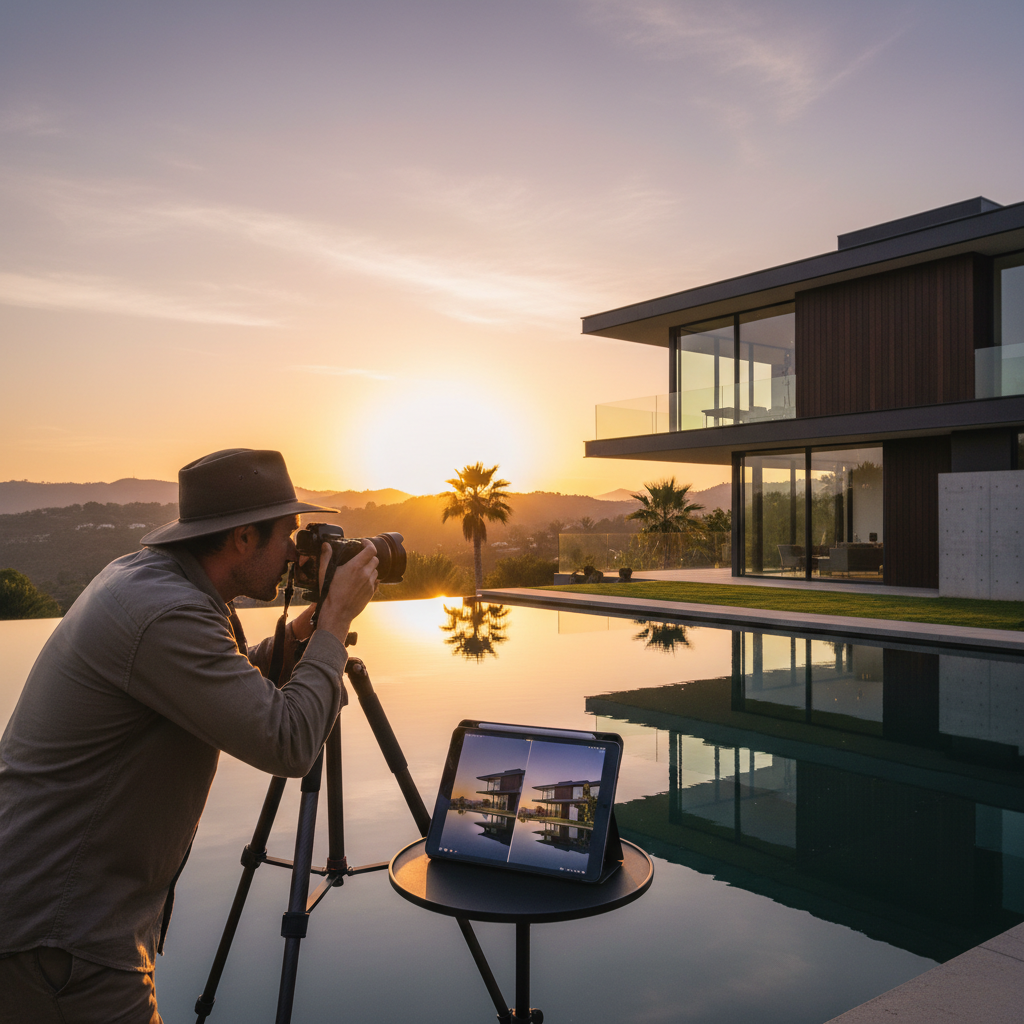
The real estate market operates at an accelerated pace, with agents and clients often expecting immediate access to property visuals. This demand has intensified the pressure on professional photographers to deliver high-quality images with unprecedented speed, frequently pushing for what is colloquially termed "same-day" turnaround. While true same-day delivery (within a few hours of the shoot) can be challenging for comprehensive projects, strategic planning and technological integration can significantly reduce delivery times without compromising quality.
The Evolving Landscape of Real Estate Photo Delivery
In today's competitive real estate environment, a property's online presence is paramount. Listings with professional photographs often attract more attention and generate greater interest. The speed at which these images become available directly impacts a property's market visibility and an agent's ability to secure potential buyers quickly. Consequently, photographers are increasingly asked to provide images within 24 hours, and sometimes even faster, to capitalize on market momentum.
Understanding this urgency is crucial. While a literal "same-day" delivery might imply images ready within hours of the shoot, for many real estate photographers, delivering a full gallery by the end of the business day or early the next morning effectively meets the client's need for rapid turnaround. The goal is to optimize every stage of the workflow to achieve the fastest possible delivery while upholding professional standards.
Optimizing On-Site Efficiency
Efficiency begins long before post-production. A well-planned on-site workflow is foundational for rapid delivery:
* Pre-Shoot Preparation: Develop a standardized shot list for various property types. Ensure all gear (camera, lenses, lighting, drone, batteries, memory cards) is charged, clean, and functioning correctly. Confirm access details and any specific client requests in advance.
* Efficient Capture: Master camera settings to minimize adjustments during the shoot. Utilize techniques like bracketing consistently to capture dynamic range efficiently, reducing the need for extensive recovery in post-production. Focus on precise composition and lighting in-camera to reduce editing time. Avoid excessive "chimping" (reviewing every shot on the camera screen) by trusting your settings and experience.
* Consistent Approach: Maintain a consistent shooting style and angle for similar rooms or features across properties. This consistency aids in batch processing during editing.
* Data Management: Employ a robust system for memory card management, ensuring immediate backup upon returning from a shoot to prevent data loss and streamline the ingestion process.
Streamlining Post-Production Workflows
Post-production is often the most time-consuming phase. Leveraging technology and structured processes can dramatically accelerate this stage:
* Rapid Ingestion and Culling: Implement a fast method for importing images. Utilize culling software that allows for quick review and selection, focusing on identifying the strongest images efficiently. Avoid over-culling; select a slightly larger initial set to ensure options.
* Batch Editing and Presets: Develop a suite of custom presets for common real estate scenarios (e.g., interior, exterior, twilight). Apply these presets as a starting point for batch processing in software like Adobe Lightroom to establish a consistent base look across all images.
* AI-Assisted Editing: Artificial intelligence tools are transforming post-production by automating repetitive and time-consuming tasks. Platforms like Imagick.ai offer AI-driven solutions that can automate basic adjustments such as color correction, exposure balancing, white balance, lens corrections, and even sky enhancements, contributing to a faster AI photo editing workflow. These tools can process large volumes of images, applying consistent edits that might otherwise take hours manually. For more insights, refer to Optimizing Real Estate Photo Turnaround with AI.
* Quality Control: Even with AI assistance, a critical human review is essential to ensure the final output meets professional standards and client expectations. This step involves checking for consistency, correcting any AI misinterpretations, and applying final artistic touches. This balance between automation and human oversight is key to both speed and quality.
* Efficient Export and Delivery: Standardize export settings for various client needs (e.g., web-ready, print-ready). Utilize cloud-based gallery and delivery platforms that allow clients to view and download images quickly.
Managing Client Expectations and Communication
Clear communication is vital for successful client relationships and managing delivery expectations:
* Set Realistic Timelines: Clearly communicate your standard turnaround times upfront, ideally in your service agreement. Be transparent about what constitutes "same-day" or "next-day" delivery for your services.
* Service Level Agreements: Define the scope of work, number of images, and specific delivery timelines in a written agreement. This prevents misunderstandings and provides a clear framework for both parties.
* Proactive Updates: If unforeseen circumstances cause a delay, communicate promptly and professionally with the client. Transparency builds trust.
* Educate Clients: Help clients understand the multi-stage process involved in professional photography, from capture to final delivery, to foster appreciation for the work involved. Resources from organizations like the Professional Photographers of America education can offer guidance on business practices.
Quality Control and Ethical AI Use
While speed is a significant advantage, it must never come at the expense of quality. Implement rigorous quality control checks at multiple stages of your workflow. This includes reviewing images for technical flaws, color accuracy, consistency, and overall aesthetic appeal before delivery. When integrating AI into your workflow, consider the ethical implications and ensure the AI's output aligns with your professional standards and client's needs. The NIST AI Risk Management Framework provides guidance on responsible AI use and evaluation.
Practical Checklist for Rapid Delivery
To consistently achieve rapid real estate photo delivery, consider this checklist:
* Pre-Shoot: Confirm details, prepare gear, create a shot list.
* On-Site: Shoot efficiently, minimize retakes, ensure consistent capture.
* Ingestion: Rapidly import and back up images.
* Culling: Swiftly select the best images for editing.
* Editing: Apply batch presets, leverage AI tools for initial adjustments (e.g., Imagick.ai for color and exposure consistency), and perform targeted manual refinements. For more on rapid editing, see Optimizing Event Photo Editing for Rapid Delivery.
* Quality Control: Conduct a thorough human review of all final images.
* Delivery: Export efficiently and use a streamlined client delivery platform.
* Communication: Maintain clear, proactive communication with clients regarding timelines.
Continue building a reliable editing workflow
Review the Imagick AI workflow, compare options in the AI editing comparison, and check current pricing. For broader professional education, visit Professional Photographers of America.