AI Photography: Beyond Culling for Professionals
By Imagick Editorial Team · Published
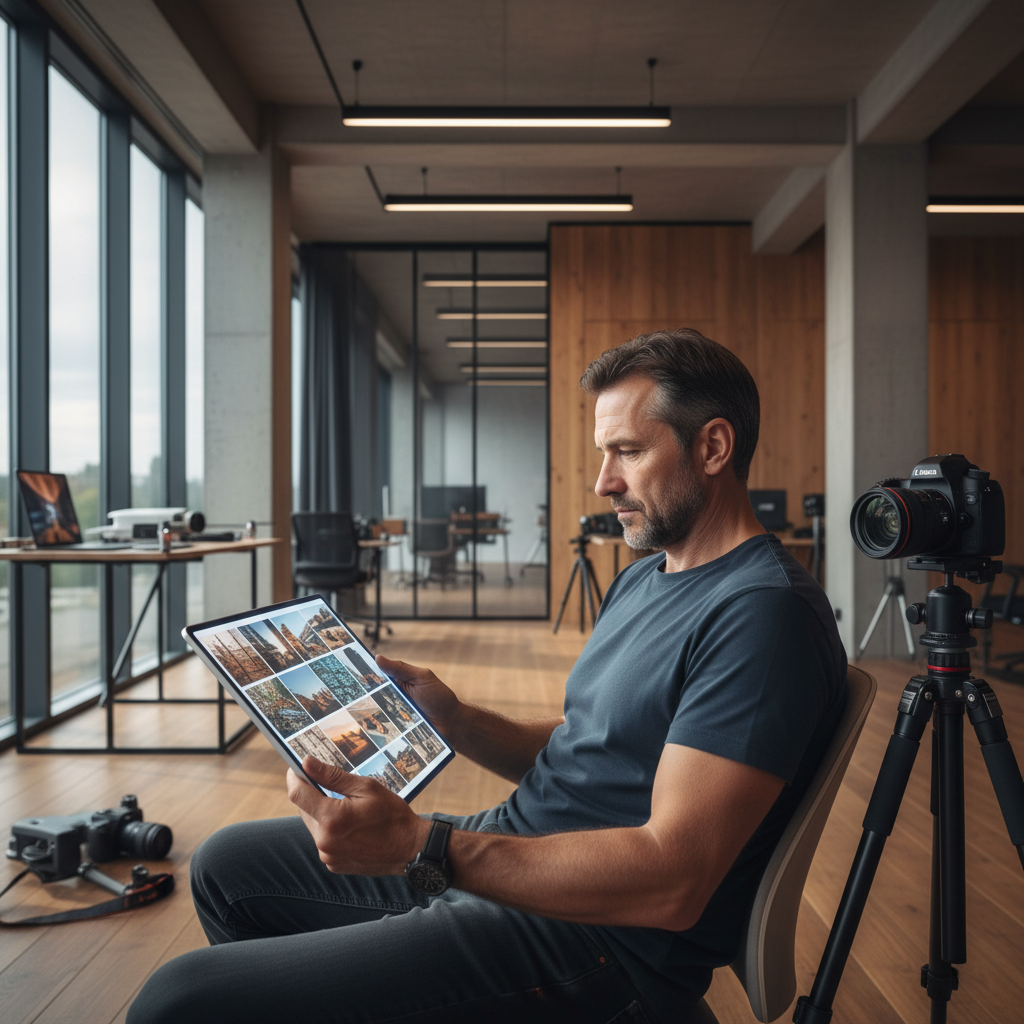
The professional photography landscape is continually evolving, with artificial intelligence emerging as a significant force reshaping workflows and redefining the value proposition of photographers. While often associated with basic image culling, AI's capabilities now extend far beyond initial selection, influencing every stage of post-production and prompting a re-evaluation of the photographer's role.
Beyond Basic Culling: AI's Evolving Role in Workflow
Historically, culling—the meticulous process of reviewing thousands of images to select the keepers—has been a time-consuming but essential task. AI tools have significantly streamlined this initial phase by automating the identification of technically sound images. These systems can analyze factors such as sharpness, focus, exposure, and even detect closed eyes or duplicate shots, presenting photographers with a pre-sorted selection. This automation frees up valuable time, allowing professionals to focus on the more subjective and creative aspects of their work.
However, AI's influence now reaches deeper into the post-production pipeline. Modern AI algorithms are capable of performing initial edits, applying consistent color grading, correcting white balance, and making global exposure adjustments across entire batches of images. This moves AI beyond a mere organizational assistant to an active participant in the preliminary editing process. For photographers managing large volumes of images, such as those in event or wedding photography, this capability can dramatically reduce the manual effort required for foundational adjustments. Understanding how to integrate these tools effectively into an AI photo editing workflow is becoming a core skill.
AI-Assisted Editing: Enhancing Efficiency and Consistency
The true power of AI in professional photography lies in its ability to handle repetitive and technically demanding editing tasks with speed and consistency. Beyond culling and basic adjustments, AI can perform more complex operations:
Automated Color Correction and Exposure Balancing
AI can analyze an image's color profile and exposure, then apply corrections to achieve a desired look or match a specific style. This is particularly beneficial in challenging lighting conditions, such as mixed indoor and outdoor light, where manual adjustments can be intricate and time-consuming. AI-powered platforms, such as Imagick, can assist with these tasks, aiming to deliver a consistent aesthetic across a gallery. This consistency is crucial for maintaining a professional brand identity and ensuring a cohesive final product for clients.
Batch Processing and Style Application
For photographers who develop a distinct editing style, AI can learn and apply these stylistic preferences across thousands of images. This ensures uniformity in color, tone, and contrast, which is especially valuable for large projects like wedding albums or extensive portrait sessions. The ability to apply a signature look with minimal manual intervention allows photographers to scale their output without compromising their artistic vision.
Limitations and Quality Control
While AI offers substantial benefits, it is not a substitute for human judgment. AI algorithms operate based on learned patterns and data, which means they may not always interpret complex scenes or artistic intentions correctly. For instance, an AI might over-correct a deliberately moody image or misinterpret a creative lighting choice. Therefore, a critical human review of all AI-generated edits is indispensable. Photographers must establish robust quality control checks to ensure the AI's output aligns with their creative vision and client expectations. This involves spot-checking, making manual refinements, and understanding the nuances of how different AI editing comparison tools perform.
The Enduring Value of the Human Photographer
As AI assumes more technical and repetitive tasks, the professional photographer's value proposition shifts and intensifies. The core skills that differentiate a professional—creativity, vision, emotional intelligence, and client interaction—become even more paramount.
AI cannot replicate:
* Creative Vision and Storytelling: The ability to conceptualize a shot, compose an image, and weave a narrative through a series of photographs remains uniquely human. AI can process pixels, but it cannot understand or convey emotion, anticipate a candid moment, or direct a subject to evoke a specific feeling.
* Client Connection and Direction: Building rapport with clients, understanding their needs, and guiding them through a session to capture authentic expressions are fundamental aspects of professional photography. This human connection is vital for creating memorable experiences and truly personalized images.
* Problem-Solving and Adaptability: On-location challenges, unexpected lighting changes, or unforeseen circumstances require human ingenuity and quick decision-making. AI tools are designed for specific tasks; they do not possess the adaptability or contextual understanding to navigate the dynamic environment of a live shoot.
* Ethical Judgment: Deciding what to photograph, how to represent subjects respectfully, and ensuring the authenticity of images are ethical considerations that require human discretion. The rise of AI also brings increased scrutiny on content provenance, making adherence to standards like those promoted by C2PA increasingly important.
The photographer's role evolves from being a primary editor to a curator, director, and final arbiter of artistic quality. The focus moves from the mechanics of editing to the artistry of image creation and the depth of client relationships.
Integrating AI Responsibly into Your Practice
Adopting AI tools requires a thoughtful approach to ensure they enhance, rather than detract from, your professional practice. Responsible integration involves understanding the technology's capabilities and limitations, maintaining ethical standards, and continuously refining your workflow.
Consider the following:
* Evaluate AI Tools Critically: Not all AI solutions are created equal. Research and test different platforms to determine which best align with your specific needs and aesthetic. Look for tools that offer transparency in their processes and allow for human oversight. Resources like Getting Started AI Photo Editing: What I Wish I Knew can provide valuable insights.
* Maintain Creative Control: Use AI as an assistant, not a replacement for your artistic judgment. Always review and refine AI-generated edits to ensure they meet your standards and reflect your unique style.
* Understand Data Privacy and Security: Be aware of how your images and data are handled by AI services. Choose platforms with robust privacy policies.
* Stay Informed on Ethical AI Use: Familiarize yourself with guidelines for responsible AI development and deployment, such as the NIST AI Risk Management Framework, to ensure your practice remains ethical and transparent.
* Educate Clients: Be transparent with clients about your workflow, including the use of AI tools, especially if it impacts delivery times or the nature of the final product.
A Practical AI Integration Checklist
To effectively integrate AI into your professional photography workflow, consider these steps:
* Identify Repetitive Tasks: Pinpoint post-production stages that consume significant time but require minimal creative input (e.g., initial culling, basic exposure/color correction).
* Research AI Solutions: Explore various AI-powered editing platforms and their specific features.
* Pilot Program: Test chosen AI tools on a small batch of non-client images to understand their performance and limitations.
* Define Your Style: Ensure your AI tools can be trained or configured to align with your established editing aesthetic.
* Establish Quality Control: Implement a rigorous review process for all AI-generated edits.
* Refine Workflow: Integrate AI tools seamlessly into your existing Adobe Lightroom or other editing software workflow.
* Continuous Learning: Stay updated on new AI developments and best practices.
The evolution of AI in photography is not about replacing the professional photographer but empowering them. By automating the mundane, AI allows photographers to dedicate more energy to the creative, relational, and artistic aspects that truly define their craft. The future of professional photography is one where human vision and AI efficiency work in concert, elevating the art form and the client experience.
Continue building a reliable editing workflow
Review the Imagick AI workflow, compare options in the AI editing comparison, and check current pricing. For broader professional education, visit Professional Photographers of America.