Fashion Photography Editing: Speed & Quality
By Imagick Editorial Team · Published
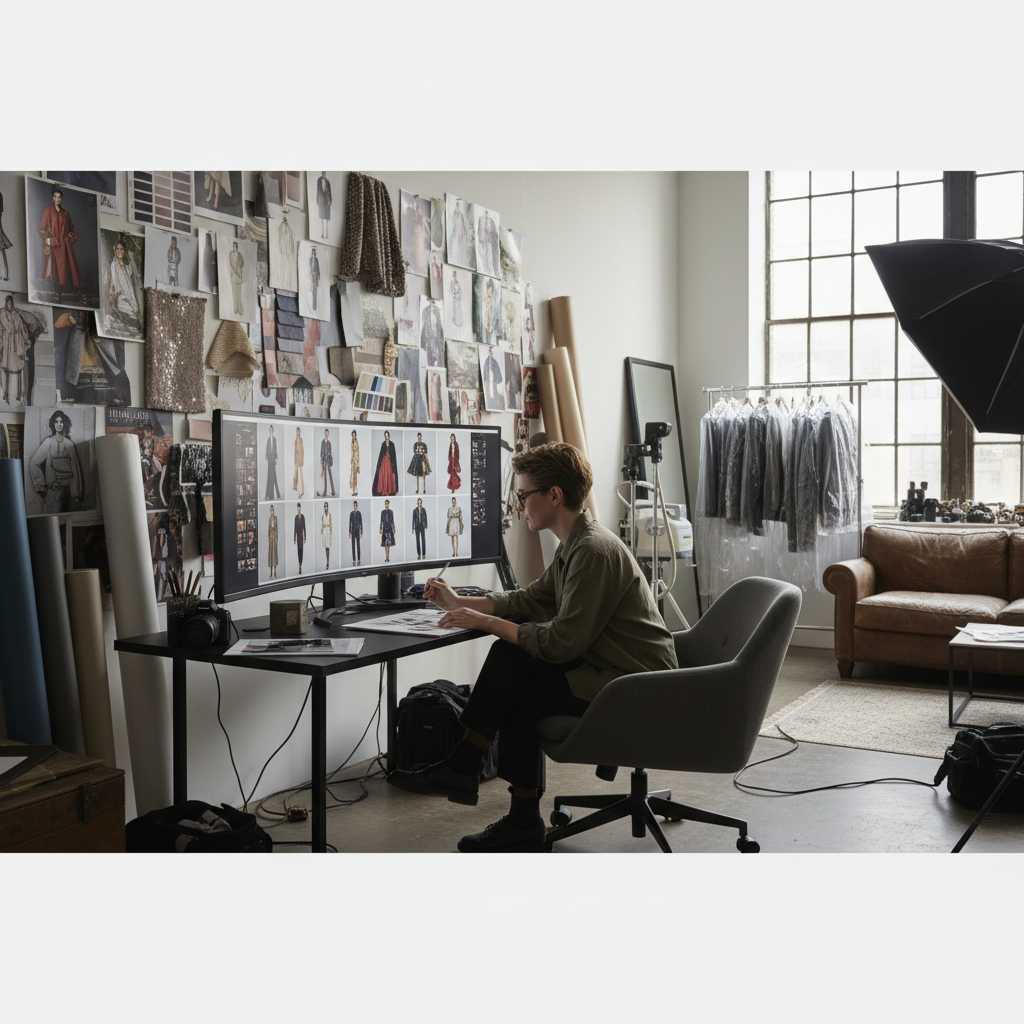
Navigating High-Volume Fashion and Editorial Demands
Fashion and editorial photography often operate under intense pressure, characterized by high image volumes and stringent deadlines, all while demanding impeccable quality. Unlike personal projects or single hero shots, a typical fashion shoot may require dozens or even hundreds of images to be processed, retouched, and delivered within days, sometimes hours. This environment necessitates a highly efficient and systematic approach to post-production, where every step is optimized to maintain creative integrity without compromising speed. The goal is to produce a consistent, polished look that aligns with the client's brand aesthetic, ensuring garments, models, and overall mood are presented flawlessly.
Optimizing Pre-Production and Capture for Efficiency
The foundation of an efficient fashion photography editing workflow is laid long before an image reaches post-production. Minimizing errors and maximizing quality during the shoot significantly reduces the time spent on corrections later.
Strategic Planning and Styling
Thorough pre-production planning is crucial. This includes detailed discussions with the art director and stylist to understand the desired aesthetic, color palettes, and specific requirements for each look. Ensuring styling is impeccable on set—checking for loose threads, wrinkles, and proper fit—prevents countless hours of cloning and healing in post.
In-Camera Precision
Achieving technical excellence in-camera is paramount. This involves:
* Consistent Lighting: Establishing a consistent lighting setup across a series of shots minimizes variations that require extensive color correction and exposure adjustments.
* Accurate Exposure: Aiming for precise exposure, ideally within a third of a stop, reduces the need for significant global adjustments that can degrade image quality.
* Sharp Focus: Critical focus on the model's eyes and key garment details is non-negotiable for professional fashion imagery.
* Thoughtful Composition: Framing shots carefully to minimize distractions and ensure clean backgrounds reduces cropping and content-aware fill tasks.
By prioritizing these elements, photographers can significantly reduce the "fix-it-in-post" mentality, freeing up valuable editing time for refinement rather than correction.
Streamlining the Initial Editing Pass with Automation
Once images are captured, the initial editing pass focuses on global adjustments and batch processing to establish a consistent baseline. This stage is where automation and AI-powered tools can offer substantial time savings.
Culling and Organization
Efficient culling is the first step. Utilizing software like Adobe Lightroom or Capture One for rapid image review, rating, and keyword tagging helps organize large galleries quickly. Developing a clear culling strategy—e.g., flagging selects, rejecting obvious outtakes—is essential.
Batch Adjustments and AI Assistance
For initial adjustments like white balance, exposure, color correction, and lens profile corrections, batch processing is indispensable. AI-powered editing platforms can further accelerate this stage. Tools such as Imagick.ai are designed to apply consistent adjustments across an entire gallery, learning from a photographer's style or a reference image. This can include:
* Automated Color Matching: Ensuring color consistency across diverse lighting conditions or camera settings.
* Exposure and White Balance Correction: Applying precise global adjustments to bring images to a neutral starting point.
* Basic Retouching: Some AI tools can perform initial skin smoothing or blemish removal, though these often require human oversight for critical fashion work.
Integrating an AI photo editing workflow for these foundational tasks allows photographers to dedicate their specialized skills to the more nuanced, artistic aspects of retouching. While AI can handle the heavy lifting of initial adjustments, human expertise remains crucial for quality control and artistic direction. Understanding the capabilities and limitations of these tools is key, as discussed in resources like the NIST AI Risk Management Framework.
Refining Images for Editorial Standards
After the initial pass, individual images require detailed retouching to meet the high standards of fashion and editorial publications. This is where the photographer's or retoucher's artistic eye and technical skill become irreplaceable.
Targeted Retouching
* Skin and Hair: Subtle skin smoothing, blemish removal, and flyaway hair cleanup are common. The goal is to enhance natural beauty without creating an artificial or "plastic" look. Techniques like frequency separation or dodge and burn are often employed.
* Garment Enhancement: Attention to fabric texture, drape, and color accuracy is critical. This may involve minor reshaping, wrinkle reduction, or color adjustments to ensure the clothing appears as intended by the designer.
* Color Grading and Tonal Adjustments: Applying a specific color grade or look to the images to match the client's brand or editorial vision. This often involves precise adjustments to hue, saturation, luminosity, and contrast, creating mood and depth.
This stage demands meticulous attention to detail and a deep understanding of light, form, and color. For more on balancing speed and quality in detailed work, consider insights from AI Portrait Photography: Speed Meets Quality.
Quality Control and Delivery Strategies
Even with the most efficient workflow, the final stages of quality control and delivery are critical to client satisfaction and meeting deadlines.
Multi-Stage Review
Implement a multi-stage review process. This typically involves:
1. Self-Review: The photographer or retoucher reviews images for technical accuracy and artistic consistency.
2. Client Proofing: Providing clients with a proofing gallery for feedback and approvals. Clear communication channels and revision policies are essential.
3. Final Check: A final review before delivery to catch any overlooked details.
Efficient Delivery
Utilize professional online galleries or file transfer services that allow clients to download high-resolution files securely. Ensure images are correctly sized, named, and formatted according to client specifications. Establishing clear communication about delivery timelines and managing client expectations proactively can prevent last-minute rushes, a common challenge in photography as outlined in Avoid Missed Wedding Photo Deadlines: Proven Strategies.
A Practical Workflow Checklist
* Pre-Production:
* Client brief review and aesthetic alignment.
* Styling and set preparation checks.
* Capture:
* Consistent lighting setup.
* Accurate exposure and focus.
* Clean composition.
* Post-Production - Initial Pass:
* Efficient culling and organization.
* Batch white balance, exposure, and lens corrections.
* Leverage AI tools (e.g., Imagick.ai) for global consistency.
* Post-Production - Refinement:
* Targeted skin and hair retouching.
* Garment enhancement and correction.
* Artistic color grading and tonal adjustments.
* Quality Control & Delivery:
* Multi-stage internal and client review.
* Final technical check (sizing, naming, format).
* Secure and timely delivery.
By adhering to a structured and optimized workflow, professional fashion photographers can consistently deliver high-quality editorial content, even under the most demanding deadlines. Continuous learning and adaptation to new tools and techniques, such as those offered by the Professional Photographers of America education, are vital for staying competitive in this fast-paced industry.
Continue building a reliable editing workflow
Review the Imagick AI workflow, compare options in the AI editing comparison, and check current pricing. For broader professional education, visit Professional Photographers of America.