Preventing Event Photographer Burnout: A Professional Guide
By Imagick Editorial Team · Published
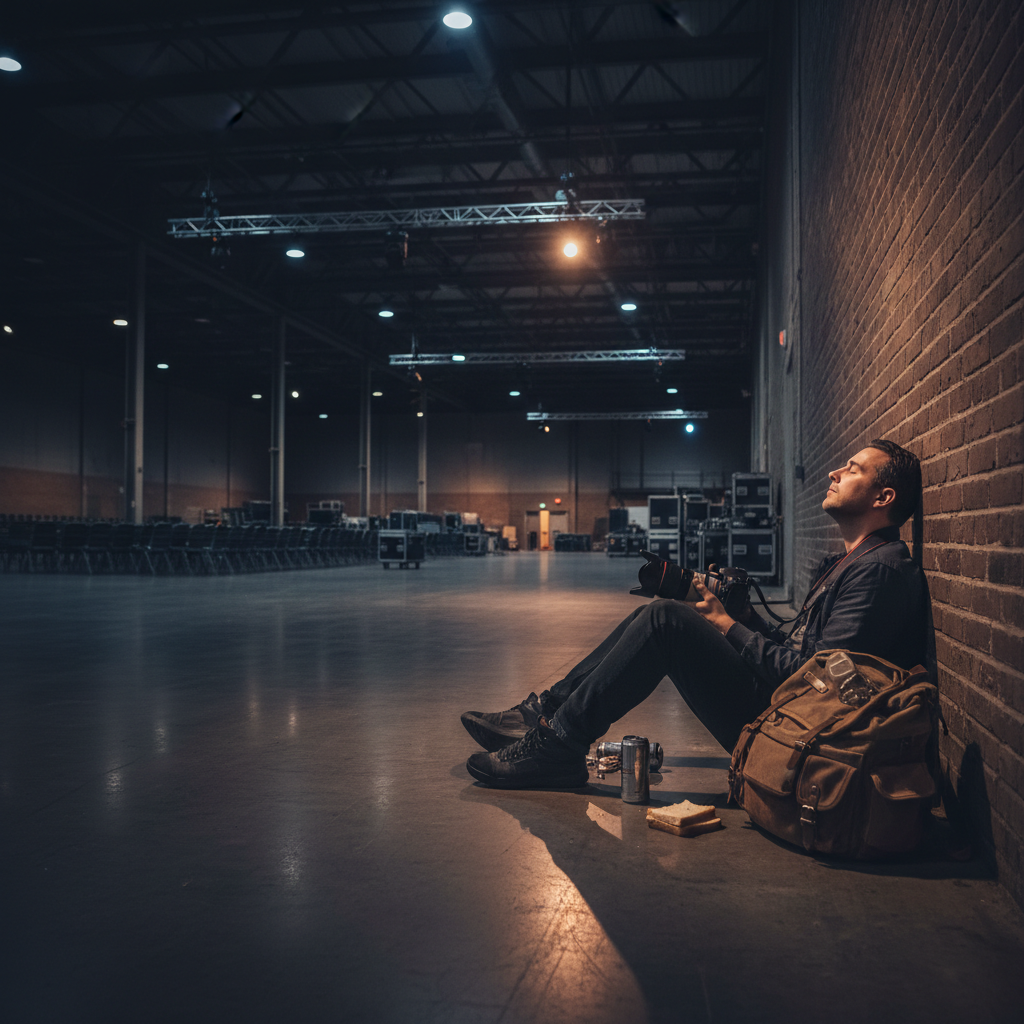
Understanding Event Photographer Burnout
Event photography, encompassing everything from weddings and corporate functions to concerts and private celebrations, is a demanding profession. While the on-site shooting captures the most visible aspect of the work, the extensive preparation and post-production often constitute the majority of the labor. This imbalance, coupled with the pressure of capturing irreplaceable moments and managing client expectations, can lead to significant stress and, ultimately, professional burnout.
Burnout in event photography is characterized by emotional exhaustion, cynicism, and a reduced sense of personal accomplishment. It can manifest as a decline in creativity, motivation, and overall job satisfaction, often leading photographers to question their career path. Recognizing the signs and understanding the underlying causes are the first steps toward building a more sustainable and fulfilling practice.
The Multifaceted Demands of Event Photography
The workload for event photographers extends far beyond the hours spent behind the lens. A single event typically involves:
* Pre-event planning: Client consultations, contract finalization, location scouting, equipment preparation, and shot list development.
* On-site execution: Long hours of physical exertion, constant vigilance to capture key moments, and managing dynamic lighting and crowd conditions.
* Post-production: This phase is often the most time-consuming. It includes importing and backing up hundreds or thousands of images, meticulous culling to select the best shots, extensive editing for color correction, exposure, retouching, and stylistic consistency, followed by multiple rounds of client revisions and final delivery preparation.
* Business operations: Marketing, website maintenance, administrative tasks, accounting, and ongoing professional development are continuous requirements that add to the overall time commitment.
When these components are combined, the total hours dedicated to a single event can be substantial, often exceeding traditional workweek expectations, especially for photographers managing all aspects of their business independently. This relentless cycle, particularly during peak seasons, creates an environment ripe for burnout.
Strategies for Sustainable Practice
Mitigating burnout requires a proactive approach to workflow, business management, and personal well-being. Implementing efficient systems and setting clear boundaries are crucial.
Workflow Optimization
Streamlining your process from capture to delivery can significantly reduce post-production time. Standardize your import, culling, and editing routines. Utilize presets and batch processing where appropriate. Exploring an AI photo editing workflow can automate repetitive tasks like color correction and exposure adjustments, freeing up time for more creative work.
Time Management and Client Expectations
Establish realistic timelines for image delivery and communicate them clearly to clients from the outset. Avoid over-promising and under-delivering, which can lead to increased stress. Implement buffer times between projects and schedule dedicated non-work periods to recharge. For strategies on meeting deadlines, consider resources like Avoid Missed Wedding Photo Deadlines: Proven Strategies.
Delegation and Outsourcing
Consider delegating non-core tasks. This could involve hiring a virtual assistant for administrative duties, using professional culling services, or outsourcing retouching to skilled editors. While an initial investment, this can free up valuable time, allowing you to focus on shooting, client relations, or personal recovery.
Business Acumen and Pricing
Ensure your pricing accurately reflects the true cost of your time, expertise, and equipment, including all pre- and post-production hours. Underpricing can lead to taking on too many jobs to meet financial goals, exacerbating burnout. Resources from organizations like the Professional Photographers of America education can provide valuable insights into sustainable business practices.
Leveraging Technology for Efficiency
Artificial intelligence (AI) tools are increasingly integrated into photography workflows, offering solutions to some of the most time-consuming aspects of post-production. These tools can assist with tasks such as:
* Initial Culling: AI can analyze images for focus, sharpness, and closed eyes, providing a preliminary selection that speeds up the manual culling process.
* Color Correction and Exposure: AI algorithms can apply consistent color grading and exposure adjustments across large batches of images, ensuring uniformity and reducing manual effort. Platforms like Imagick.ai offer AI-powered solutions that learn from your editing style to apply consistent adjustments, significantly reducing the time spent on basic edits.
* Retouching: While advanced retouching often requires human artistry, AI can handle basic skin smoothing, blemish removal, and object detection, streamlining the initial stages of portrait and event retouching. For more on AI in specific photography niches, see AI Portrait Photography: Speed Meets Quality.
When integrating AI, it is crucial to maintain human oversight and quality control. AI is a tool to enhance efficiency, not a replacement for artistic vision or critical review. Photographers should evaluate AI outputs carefully to ensure they align with their creative style and client expectations. For guidance on responsible AI use, consult resources such as the NIST AI Risk Management Framework.
Practical Checklist for Burnout Prevention
To maintain a healthy and sustainable career in event photography, consider regularly reviewing and implementing the following:
* Audit Your Workflow: Identify bottlenecks in your current process and explore automation or delegation opportunities.
* Set Clear Boundaries: Define your working hours, response times, and turnaround expectations with clients.
* Evaluate Your Pricing: Ensure your rates adequately compensate for all aspects of your work, including administrative and post-production time.
* Explore AI Tools: Research and test AI editing solutions to see how they can streamline your post-production without compromising quality.
* Prioritize Self-Care: Schedule regular breaks, pursue hobbies outside of photography, and monitor your mental and physical health.
* Seek Community Support: Connect with other photographers to share experiences and strategies for managing workload and stress.
By proactively addressing the demands of event photography and leveraging available tools and strategies, photographers can build a resilient business model that supports both their professional aspirations and personal well-being.
Continue building a reliable editing workflow
Review the Imagick AI workflow, compare options in the AI editing comparison, and check current pricing. For broader professional education, visit Professional Photographers of America.